While many know Cyrus the Great as a military genius and enlightened ruler, fewer are aware of his remarkable contributions to architecture and urban planning. The cities he built weren’t just seats of power—they were innovative experiments in creating spaces that could unite diverse peoples and cultures.
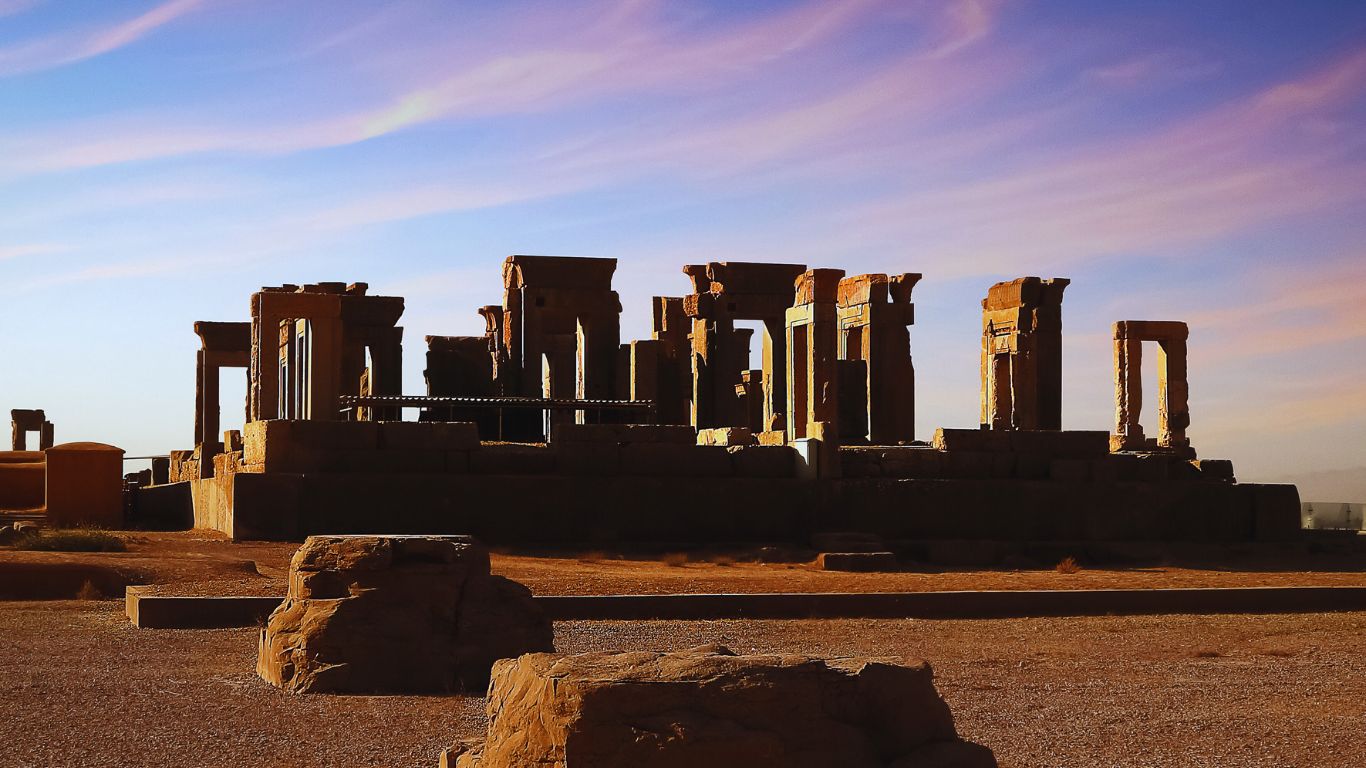
Pasargadae, Cyrus’s capital city, stands as perhaps his most impressive architectural achievement. Built in what is now Fars Province, Iran, the city represented a revolutionary approach to urban design. Unlike the dense, walled cities typical of the era, Pasargadae was spread out across a vast plain, incorporating gardens, pavilions, and public spaces in a way that would influence city planning for centuries to come.
The most striking feature of Pasargadae was its famous “Four Gardens” layout, which divided the city into quadrants with waterways and pathways. This design, known as chahar bagh, would later become a standard feature of Islamic gardens from Spain to India. The gardens weren’t merely decorative—they represented Cyrus’s vision of paradise on earth, where different peoples could coexist in harmony.
The palace complex at Pasargadae was equally innovative. Instead of a single massive structure, it consisted of several pavilions distributed throughout the garden landscape. The Audience Hall of Cyrus, with its distinctive columned portico, combined elements from various architectural traditions—Persian, Median, and Greek—creating a new style that would characterise Persian imperial architecture for centuries.
Perhaps most remarkable was the attention paid to water management. The engineers of Pasargadae created sophisticated systems of channels, pools, and fountains that not only served practical purposes but also created striking visual effects. Some of these water features still function today, testament to their brilliant design.
Cyrus also left his mark on conquered cities. In Babylon, rather than demolishing existing structures, he renovated and expanded them. The famous Ishtar Gate was maintained and enhanced, while new Persian-style gardens were added to the city’s layout. This blend of preservation and innovation characterised his approach to urban development throughout the empire.
The architectural legacy of Cyrus extends far beyond his own time. The palatial style he pioneered would influence buildings from the Taj Mahal to European palace gardens. Even today, the principles of harmony between architecture and nature that he championed remain relevant to urban planners and architects.
For those interested in visiting these sites today, while much lies in ruins, enough remains to appreciate their grandeur. The tomb of Cyrus still stands at Pasargadae—a simple but elegant structure that reflects the practical wisdom of its builder. UNESCO has recognised the site’s importance by declaring it a World Heritage Site.
References:
- Wiesehöfer, J. (2001). Ancient Persia from 550 BC to 650 AD. I.B. Tauris.
- Stronach, D. (1978). Pasargadae: A Report on the Excavations. Oxford University Press.
- Sami, A. (1956). Pasargadae: The Oldest Imperial Capital of Iran. Natural History Museum.